
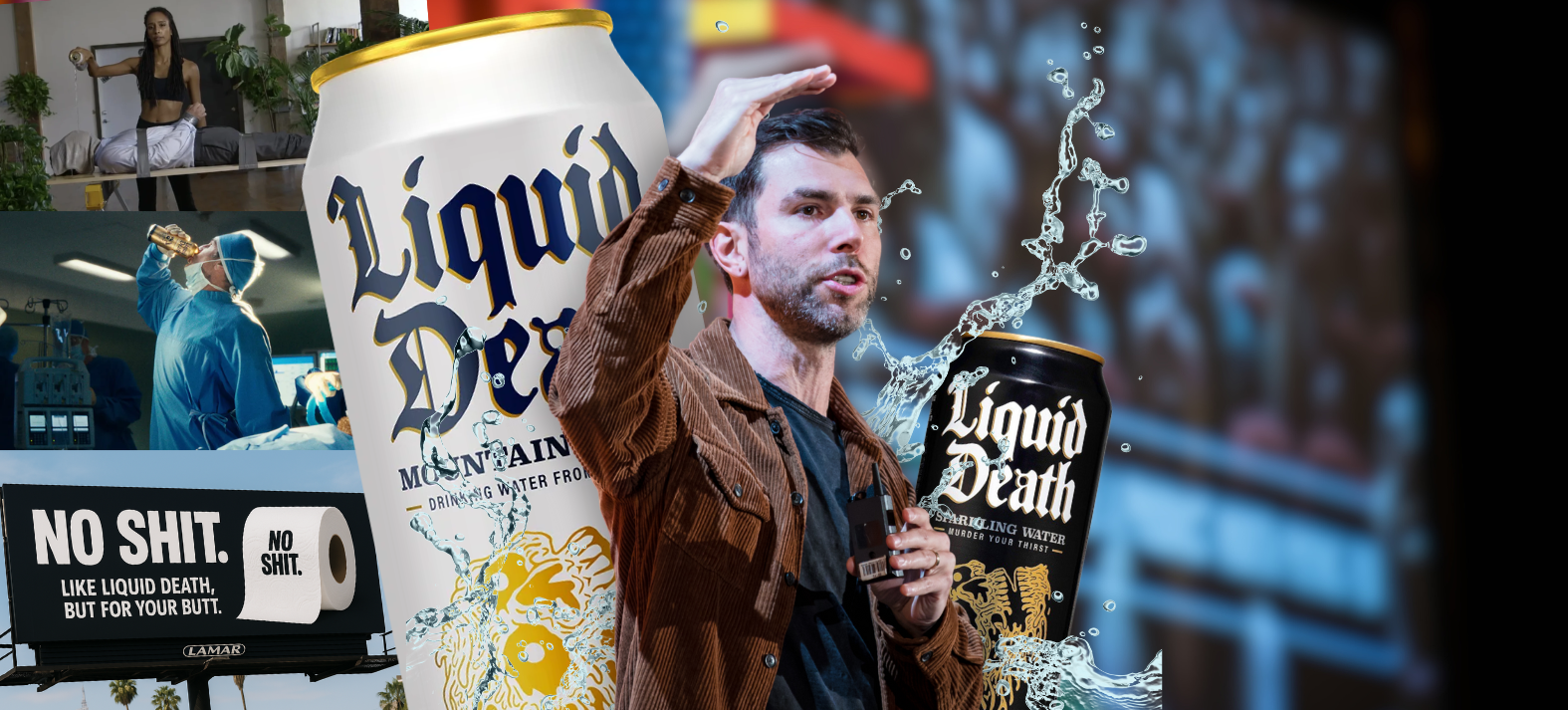
Mike Cessario knows the difference between marketing that works and marketing that just looks good in boardrooms. Working at an ad agency on the DiGiorno account, he once spent half a million dollars perfecting a single image: cheese stretching from a pizza in slow-motion glory. The shot tested beautifully, executives loved it, and customers responded positively in ads. But nobody really believed they'd get that perfect cheese pull from their frozen pizza at home.
When Cessario launched Liquid Death, he took the opposite approach. He spent $1,500 filming an absurd joke about a yoga mom waterboarding someone with canned water. The video got 3 million views and became a cornerstone of building what's now a $1.4 billion beverage brand. The difference wasn't budget or production value—it was authenticity versus aspiration.
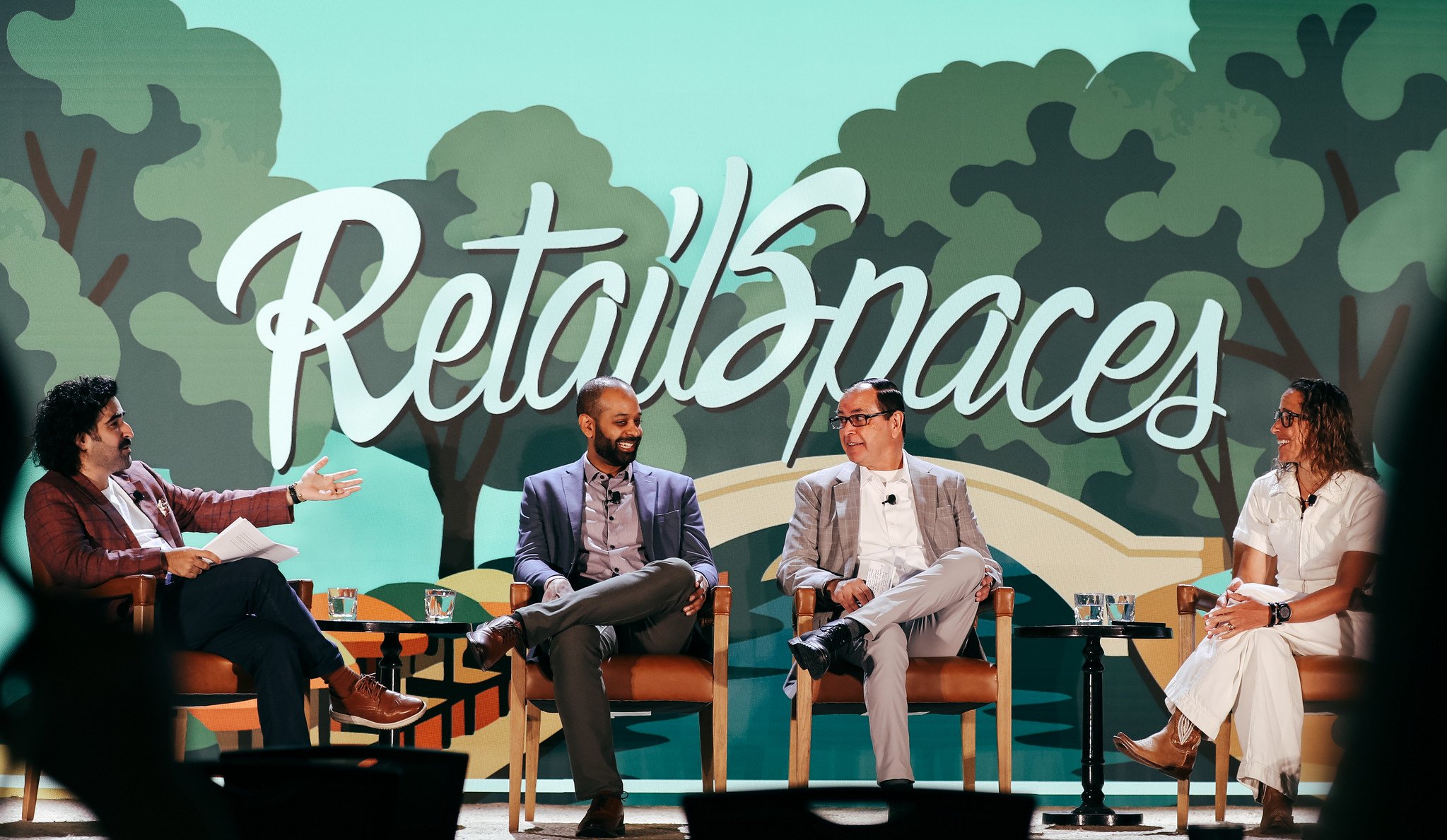
Speaking to store development and design leaders at RetailSpaces, Cessario shared insights that challenge how we think about connecting with consumers today.
Your Store Competes Against Everything
Cessario's core insight offers a stark reality check for store designers: "You're not competing against other brands. You're competing against the internet, people's families, engagement photos, the comedians they follow."
Your store isn't just competing with other stores, it's competing with every form of entertainment on customers' phones. If your space doesn't genuinely engage or entertain, customers will scroll past it, both physically and digitally.
The "Small Bets" Strategy
Instead of betting everything on one massive concept, Liquid Death uses what Cessario calls "small bets" across the entire organization. "A big thing that we do at all levels of the company, not just marketing, but even in innovation or even in supply chain, is this idea of small bets," he explains.
The approach works like a portfolio: "You have a portfolio of things. You've got this little thing here that's probably not gonna make me a bunch of money, but if I get lucky, this could be this huge return."
The key insight: "Eight, nine times out of 10, the thing that takes off and goes nuts is the last thing you thought that would, and the thing you're like, 'oh, this thing's gonna be incredible' ends up not doing at all what you thought it was gonna do."
For physical retail, this means creating multiple experimental elements—interactive zones, unexpected features, photo opportunities—then scaling up what actually resonates rather than what you expect will work. Make experiments affordable enough that failures won't sink the concept.
Design for Conversation
Liquid Death benefits from what Cessario calls the "conversation starter" effect: "People get the can for the first time and walk around, and people ask them. 'What is that?'"
Store design leaders should ask: What elements will make customers stop and ask questions? What will make them share with friends? Design experiences that naturally generate conversation and social sharing.
Authentic Over Generic
When asked about brands copying Liquid Death but falling flat, Cessario points to a fundamental truth: brands inevitably reflect their leadership. "It's really hard for a brand to be super different from whoever the top decision maker is because at the end of the day, they approve everything."
In other words, if the person signing off on creative decisions doesn't genuinely understand or embrace the approach, it will show. This is why so many attempts at edgy or authentic branding feel forced—the executives approving the work don't actually connect with it.
The most compelling retail spaces reflect genuine brand DNA rather than following generic "experiential retail" trends. A space designed authentically for a specific community will always outperform a generically "cool" space.
The Bullseye Problem
During the Q&A, our team playfully pitched Cessario on "No Shit" toilet paper —"Like Liquid Death, but for your butt"—applying the brand's provocative formula to bathroom products. Rather than dismiss it, Cessario used the moment to explain why getting provocative branding right is so difficult.
Mike Cessario talks about Disruption.
"Disruption is a really tough bullseye to hit," he explained. "Two degrees this way, you're way off and people just think it's really distasteful, two degrees that way, it's actually just not that disruptive."
He pointed to comedy as the perfect analogy: "That's why stand-up comedy is one of the hardest professions. You look at the greats of all time, like Jerry Seinfeld—they still have to go around to little clubs chopping up jokes 'cause they still don't know exactly what's gonna be funny. And it takes them a year to put together 60 minutes of material. They still don't know exactly what's gonna work."
For store design leaders, this precision requirement is sobering. The most memorable retail spaces walk a razor-thin line between engaging and overwhelming, between authentic and forced. Even after decades of experience, there's no formula that guarantees success—only careful experimentation and the willingness to fail small.
Destination Over Transaction
When asked about the potential for a Liquid Death store, Cessario revealed they've actually discussed it but remain skeptical it would make sense. "We've talked about that," he said, but emphasized that "it can't be a normal store. It has to be this ridiculous thing that anybody who hears about it says, 'Oh my God, have you heard what they did?'"
Mike Cessario talks about a Liquid Death Store.
His hesitation illustrates sophisticated retail thinking: unless a store can generate massive word-of-mouth and media attention—essentially becoming a marketing vehicle that happens to sell products—it's probably not worth the operational complexity for a brand like Liquid Death.
The Bottom Line
In today's attention economy, being safe is actually the riskiest strategy. The question isn't whether your store is better than competitors, it's whether it's more engaging than everything else competing for customers' time and attention.

Posted by
Reimagining Physical Retail.
RetailSpaces is a community store development and design innovators.
March 7-9, 2027 | Carlsbad, CA
Learn More!
-2.png)
-3.png)



Comments