
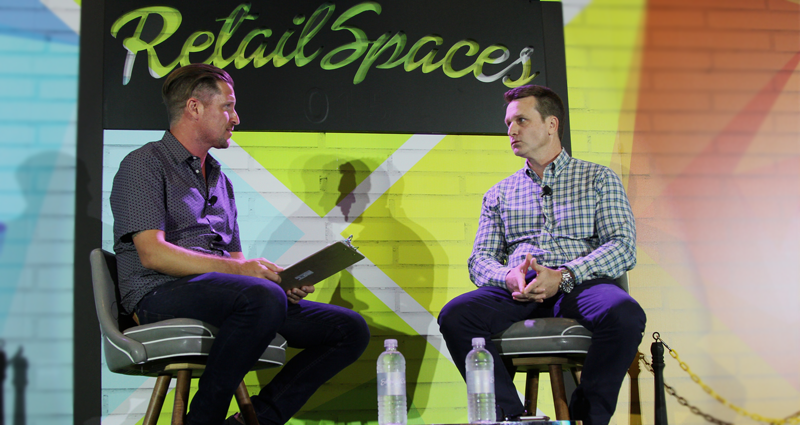
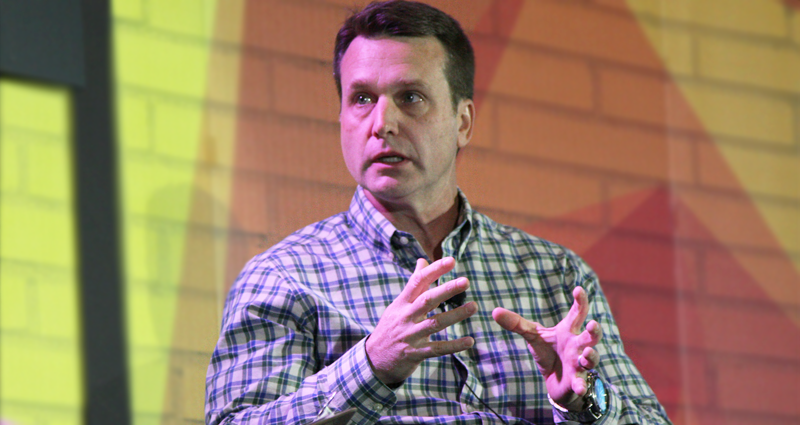
Dressed in khakis with no facial hair, visible piercings, or tattoos, Heath Carr’s look belies his role as COO of Shinola, the brand Adweek labels “the coolest in America.” Carr sat down with RetailSpaces founder Michael Owens to discuss Shinola’s approach to branding, physical retail, and community-driven store design. Before joining Shinola in 2012, Carr spent more than 20 years on the executive track at the watchmaker Fossil.
At Shinola, Carr applies a fundamentally different philosophy to retail growth. The brand operates as part of Bedrock Manufacturing, a Dallas-based strategic development group whose portfolio includes Filson, Jams, and ReelFX. Rather than chasing scale for scale’s sake, Shinola focuses on craftsmanship, local relevance, and rebuilding American manufacturing. Each brick-and-mortar location is designed to feel distinct, often incorporating coffee shops, tattoo parlors, or unexpected community spaces that make stores destinations rather than transactions.
Founded in 2011 by Fossil co-founder Tom Kartsotis, Shinola began as an upscale retailer of watches and bicycles before expanding into leather goods and curated lifestyle products. Kartsotis lured Carr away from Fossil to help shape the brand from its earliest days. The name itself is a nod to a Rochester, NY, shoe polish company that went out of business in 1960, a piece of Americana that reinforces the brand’s modern take on heritage.
Shinola did not initially set out to become a lifestyle brand. Its original plan was to build a U.S.-based watch manufacturer that would supply products to other retailers. While the brand has since become a media favorite with fans ranging from Bill Clinton to Jimmy Kimmel, a significant portion of the business still comes from wholesale partners. Roughly 45 percent of Shinola’s revenue continues to flow through other merchandisers.
“About 25 percent of our business is online, and 30 percent comes from our stores. The rest is from our partners,” Carr explains. Despite pressure from digital teams to slow physical expansion, Carr views stores as the company's most powerful marketing channel. Rather than competing with ecommerce, retail locations reinforce the brand and support every other part of the business.
Why Detroit?
Choosing Detroit as Shinola’s manufacturing base was not a marketing stunt. Once the company committed to making watches, leather goods, and accessories in the United States, the team asked a simple question: where does American manufacturing still have meaning? For Bedrock’s leadership, the answer was obvious.
After visiting Detroit and meeting with the Detroit Economic Growth Corporation, the decision became even clearer. Carr recalls that by the end of the trip, there was no reason to explore other cities. Shinola fell in love with Detroit, and the city embraced the idea of rebuilding manufacturing through design-driven brands.
Today, most of Shinola’s production and assembly takes place in Detroit. Jewelry is made in California, while bicycles are assembled in Detroit using components manufactured by Schwinn in Wisconsin. The result is a distributed but deeply intentional American manufacturing model.
Reinventing Retail Experiences
Carr draws a sharp contrast between his experience at Fossil and Shinola’s approach to store growth. At Fossil, rapid expansion meant hundreds of stores that looked largely the same. At Shinola, uniformity is the enemy.
Each location is treated as a unique expression of the brand, shaped by its neighborhood and community. Shinola has partnered with innovative brands and cultural leaders, including Warby Parker, Bonobos, and Apple. The company has also collaborated with musician and producer Jack White, who helped establish a vinyl pressing operation adjacent to Shinola’s Detroit flagship. That space now produces records and audio turntables, further blurring the line between retail, manufacturing, and culture.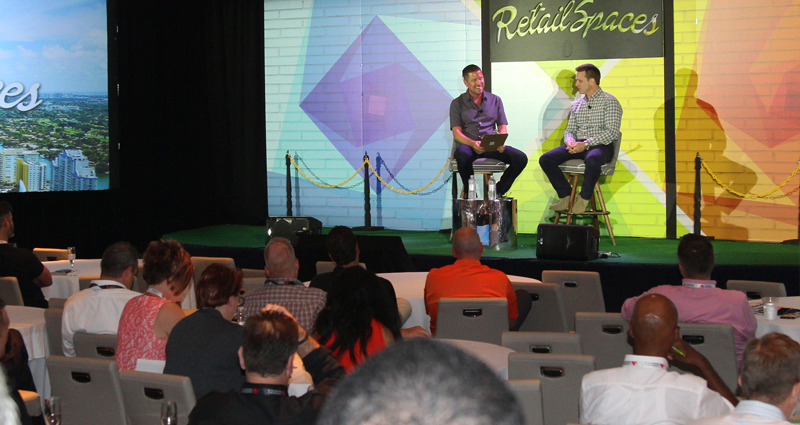
Looking Ahead
Carr believes the future of retail belongs to brands that prioritize experience, craftsmanship, and authenticity. Shinola continues to evolve accordingly. In the near term, the company plans to expand its jewelry offerings and, in 2018, open a 130-room boutique hotel in downtown Detroit.
The motivation was straightforward. A revitalizing city needs hotel space that reflects its character. True to Shinola’s ethos, the hotel will feature 80 distinct room designs and integrate restaurants, coffee shops, and pop-up experiences that keep guests engaged and curious.
Shinola’s retail strategy also includes a deliberate balance between urban flagship locations and suburban shopping centers. While high-profile city stores drive brand awareness, Carr remains pragmatic about consumer behavior. A significant portion of shoppers still frequent malls, and Shinola intends to meet customers where they are without compromising its identity.
During the discussion, one audience member raised an important question: how will Shinola’s hyper-local store design translate to traditional shopping centers? It is a challenge Carr welcomes and views as an opportunity rather than a risk.
Five Takeaways from Shinola’s Retail Approach
Shinola, named Adweek’s coolest brand in America, pairs strong brand storytelling with disciplined retail fundamentals. The company’s success offers several lessons for retailers navigating a crowded and evolving market.
1. First, manufacturing in the United States is possible, but only with the right partners. Bedrock’s commitment to Detroit worked because the city shared the vision and matched it with real support.
2. Second, creativity must be grounded in practicality. While Detroit anchors much of Shinola’s production, the company looks elsewhere when the right facilities or talent are unavailable.
3. Third, nostalgia alone is not a strategy. Shinola modernizes design cues from the past but builds products and experiences firmly rooted in today.
4. Fourth, customer service remains timeless. Shoppers do not have to visit stores. They choose to. Creating reasons to want to be there is everything.
5. Finally, brand decisions should balance creativity with commercial sense. Even Shinola’s name came from an unplanned moment in a meeting when Bedrock’s attorney jokingly declared, “You don’t know shit from Shinola.” The name stuck because it resonated across generations and, importantly, it was available.
Watch the full interview with Heath Carr, COO of Shinola, below.


-2.png)
-3.png)




Comments