
When you combine the store portfolios of CVS Health, Kroger, and 7-Eleven, you're looking at roughly 25,000 locations across North America.
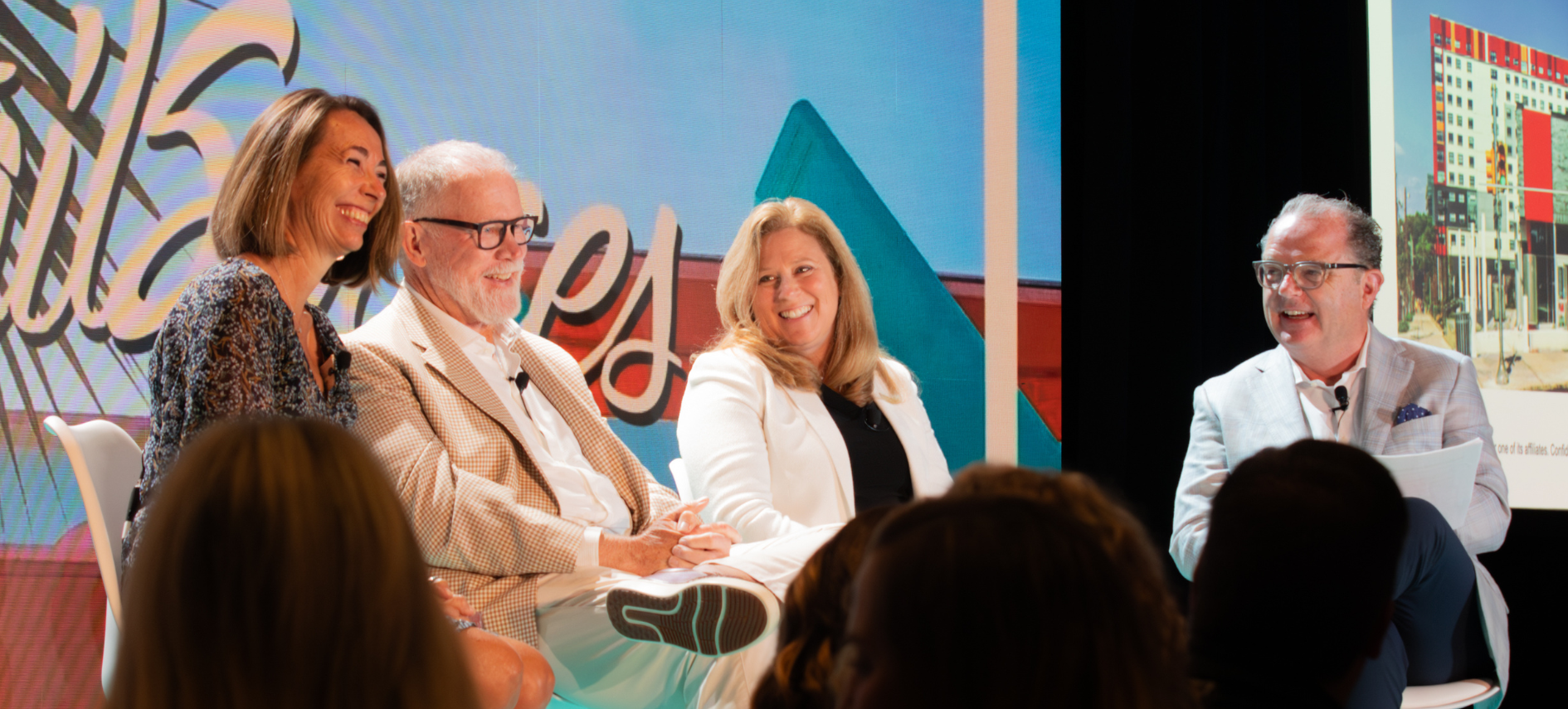
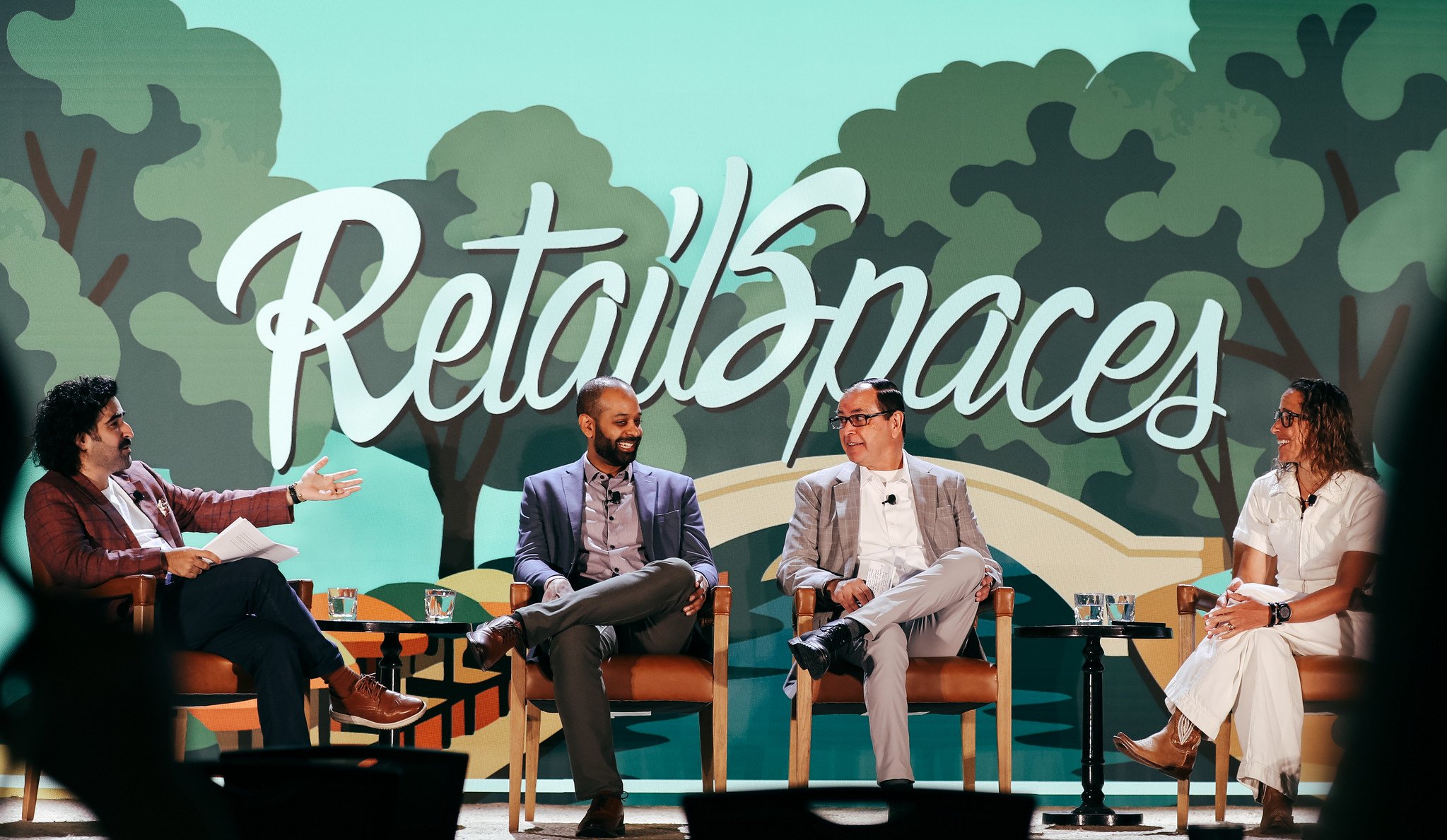
At RetailSpaces, three seasoned store development executives; Danni Gallagher (VP of Planning, Design and Construction at CVS), Rob Lancaster (Head of Real Estate Development at Kroger), and Terri Micklin (Store Development and Facilities Leader at Seven Eleven), sat down with James Bell from AGI to discuss the realities of managing massive retail footprints in an increasingly complex world.
The Impossible Math of Time, Cost, Quality
There's no choosing between time, cost, and quality. "I think the answer is yes, yes and yes," Lancaster said. You deliver on all three or you don't deliver.
But Micklin reframed what matters most: "You have to be really, really predictable and thoughtful and considerate in what you're communicating from a timeline perspective." It's not about being the fastest. It's about being reliable.
Design for Operations, Not Applause
Managing portfolios with both 40-year-old stores and brand-new locations creates a fundamental challenge. Micklin's answer cuts to the core: "Think about the things that you can do to make operational excellence easy for your teammates, for your associates that are working in the stores."
The small decisions matter: workflow, steps taken, equipment placement, what needs cleaning. "You can build the most beautiful stores. You have to think about how are they gonna run them once you're not there."
Gallagher described CVS's "priority market approach" where they elevate entire markets rather than just isolated new stores. "Sometimes it's nothing more than just really bringing that outside experience back. And then other times it's really resetting the entire store."
True Partnership Goes Both Ways
All three executives rejected the idea that fewer vendors is better. What matters is depth, not quantity.
"That vendor partner is truly a partner. They're an extension of us," Gallagher explained. Lancaster put it more directly: "The best scenario for me is when you can't tell where that person's check is coming from."
But Micklin added the crucial reciprocal: "It's a two-way street. From a vendor or supplier perspective, you need to be asking for the same thing from us." If partnerships feel transactional, push back. "That's where the magic happens."
Stack Small Wins with AI
Lancaster was refreshingly practical about AI: "I want our real estate team to have more time behind the windshield and less time behind the screen."
His biggest challenge? Data quality. With 22 banners developed through mergers and acquisitions, Kroger has "all kinds of stuff out there." His project manager's advice: "Why don't we just start small, like take one bite at it."
Micklin built on this: "Good data is good leadership. Stack small wins. Think of all of the transactional processes first. Tackle that with AI. They're easy. Start there, stack those small wins and then use that to build out the next phase."
What Really Keeps Them Up
When asked what worries them most, all three answered identically: their people.
"I think about our teams a lot," Gallagher said. "The pressures, the headwinds to deliver faster, to keep costs down, to constantly be innovating. It weighs on the team."
Micklin revealed she spends "80% of my time worrying about the people. Making sure people are in the right seats, feeling valued, feeling empowered."
Lancaster added a specific concern: skilled trades shortages. At lunch with the chairman of the Atlanta Federal Reserve, development leaders were asked to raise their hand if they'd encouraged their kids to go into trades. "Not one hand at the table went up. Talking about a humbling moment."
The Bottom Line
For three executives managing 25,000 locations across every conceivable challenge, the math is simple: take care of your people, and your people will take care of everything else.
Nothing about retail development is getting easier. Permitting takes longer. Skilled trades are disappearing. Technology changes faster than teams can adapt. And every success raises expectations for the next project.
But with the right team, properly supported and empowered to adapt, even the impossible math of time, cost, and quality becomes manageable.
Watch the full conversation below...
Want to join the next conversation?
Request an invite to RetailSpaces →
Posted by
Reimagining Physical Retail.
RetailSpaces is a community store development and design innovators.
March 7-9, 2027 | Carlsbad, CA
Learn More!
-2.png)
-3.png)



Comments